

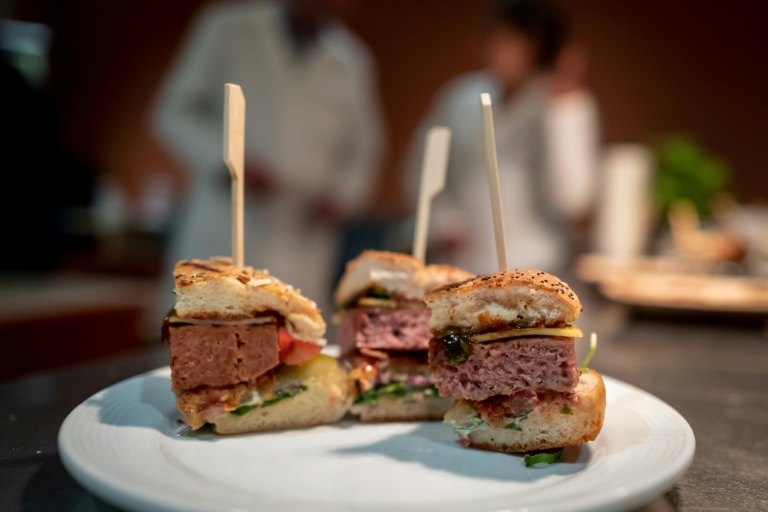
In the bustling cafes of Berlin, the trendy bistros of Paris, and the supermarkets of Amsterdam, a quiet revolution has been unfolding on menus and shelves. Words like “veggie burger,” “vegan sausage,” and “soy milk” have become commonplace, guiding consumers toward a growing array of plant-based alternatives. But this linguistic landscape is now under threat. At the heart of the European Union, a high-stakes political negotiation is deciding whether these familiar terms will remain or be scrubbed from labels in favor of more “neutral” jargon.
The debate centers on Amendment 171 and its surrounding regulatory framework—often dubbed the “Dairy Ban” saga’s sequel. In 2017, the European Court of Justice ruled that purely plant-based products cannot use terms like “milk,” “butter,” or “cheese.” Now, the battle has moved to the meat aisle. A coalition of agricultural MEPs and member states with powerful farming lobbies argues that terms traditionally associated with animal products are misleading. They contend that a “burger” or a “sausage” must, by definition, come from meat, and that plant-based alternatives should be labeled with entirely new, invented names.
The Stakes for Consumers and the Climate
Proponents of the ban claim it is about clarity. “Consumers must not be misled. When they buy a steak, it should be from an animal,” argued French MEP Éric Andrieu, a leading voice for the restrictions. They fear that the success of plant-based products—a market growing by double digits annually—is piggybacking on the cultural and culinary heritage of animal agriculture.
However, critics see a move driven more by economic protectionism than consumer confusion. “This isn’t about transparency; it’s about fear,” counters Jasmijn de Boo, CEO of ProVeg International. “The animal agriculture sector is seeing market share shift and is using legislation to hamper the competition.”
For consumers, the implications are direct. Imagine shopping for a familiar “vegan burger” and finding it renamed a “veggie disc” or “plant-based tube.” Industry groups like the European Plant-Based Foods Association (ENSA) warn that such opaque terms would create needless confusion, stifle innovation, and ultimately make it harder for people to choose sustainable options. In an era where the EU champions its “Farm to Fork” strategy for a greener food system, many argue that making plant-based products less accessible is a direct contradiction.
The environmental dimension is profound. The Intergovernmental Panel on Climate Change (IPCC) has clearly stated that reducing meat consumption is critical for lowering greenhouse gas emissions. Plant-based alternatives offer a familiar pathway for consumers to make that shift. Obfuscating their labels could slow this transition at a time when acceleration is urgently needed.
A Battle for the Semantic Soul of Food
Beyond economics and ecology, this is a fight about narrative. Does the linguistic tradition of “burger” belong exclusively to the cattle industry, or has it evolved into a broader culinary concept defined by its form and function—a seasoned patty served in a bun? Plant-based producers argue they are not imitating meat but rather offering a different version of a known food format, just as almond milk offers a different version of a “milk” for cereal or coffee.
The negotiations, currently in the fraught “trilogue” phase between the European Commission, Parliament, and Council, are tense. A compromise might involve mandatory qualifiers like “plant-based” or “meat-free” in prominent, larger text—a solution many in the industry could accept. An outright ban, however, would be a severe blow.
As the talks continue, the outcome will send a powerful signal. Will the EU protect traditional sectors by fencing off language, or will it foster a pluralistic food system where innovation and tradition can coexist with clear, common-sense labeling? The result will determine not just what’s on the label, but the very ease with which 450 million Europeans can participate in a more sustainable food future. The humble veggie burger, it seems, has become an unlikely symbol of Europe’s dietary and environmental direction.