

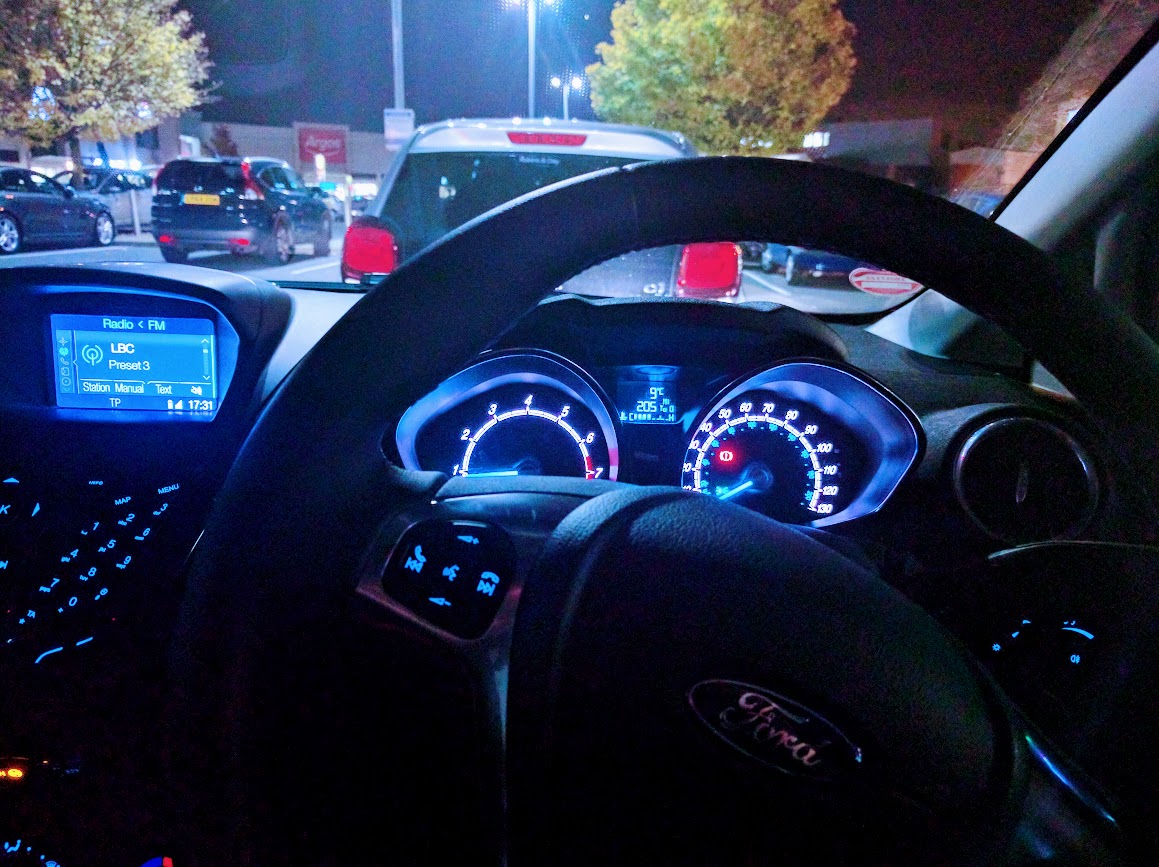
Let’s be honest. The phrase “first-time driver” often conjures images of white-knuckled grips on the steering wheel, hesitant stops, and the occasional too-close encounter with a curb. It’s a learning process, and part of that process involves making mistakes. While you can’t bubble-wrap a new driver, you can put them in a car that acts like a rolling safety net.
This isn’t about finding the flashiest or fastest car. For a first-time driver, the two most critical features are Reliability and Safety. You need a vehicle that won’t strand them on the side of the road and, more importantly, one that will protect them if the unexpected happens.
Why These Two Factors are Non-Negotiable
-
Safety as a Shield: New drivers are statistically at a higher risk for collisions. A car with top-tier safety ratings, standard stability control, and a suite of airbags provides a crucial buffer while they build confidence and skill.
-
Reliability for Peace of Mind: A breakdown is stressful for any driver, but for a novice, it can be terrifying and dangerous. A reliable car ensures they can focus on the road, not on the dreaded “check engine” light. It also keeps running costs predictable, a huge plus for budget-conscious families.
With that in mind, here are some of the safest, most reliable, and (importantly) most affordable cars for first-time drivers.
The Top Contenders: Forgiving, Fortified, and Frugal
These vehicles are consistently praised by experts at the Insurance Institute for Highway Safety (IIHS), the National Highway Traffic Safety Administration (NHTSA), and reliability gurus like J.D. Power and Consumer Reports.
1. The Unshakable Hatchback: Toyota Corolla Hatchback
The Corolla name is synonymous with reliability. The hatchback version adds a dose of practicality and style that appeals to younger drivers.
-
Why it’s great for newbies: It’s incredibly easy to drive, with a comfortable ride and intuitive controls. Modern versions come standard with the Toyota Safety Sense™ suite, which includes Pre-Collision Warning with Pedestrian Detection, Lane Departure Alert, and Automatic High Beams. It’s a guardian angel in dashboard form.
-
Key Features: Top safety ratings, legendary reliability, excellent fuel economy, and a surprisingly spacious interior for its size.
2. The Bulletproof Compact: Honda Civic (Sedan or Coupe)
A direct rival to the Corolla, the Honda Civic has been a first-car favorite for decades for a very good reason. It’s engaging enough to be fun but safe and sensible enough to inspire confidence.
-
Why it’s great for newbies: It offers excellent visibility, a well-built interior that can handle wear-and-tear, and Honda’s reputation for rock-solid engineering. Later models also include the Honda Sensing® suite of driver-assistance features as standard.
-
Key Features: Strong resale value, frugal on gas, and a massive, supportive community for when you need advice or parts.
3. The Understated Superstar: Mazda3
Often overlooked, the Mazda3 is a gem. It delivers a more premium feel and sharper handling than many rivals, all while maintaining excellent reliability and safety scores.
-
Why it’s great for newbies: Its responsive steering and balanced chassis make it predictable and easy to control in emergency maneuvers. Standard safety tech on newer models is comprehensive, and its upscale interior helps it feel like a reward, not a punishment.
-
Key Features: IIHS Top Safety Pick+ awards, engaging driving dynamics, and upscale interior materials.
4. The Sensible SUV: Subaru Crosstrek
For families in snowy climates or those who need a bit more ground clearance, the Subaru Crosstrek is a perfect choice.
-
Why it’s great for newbies: Its claim to fame is standard All-Wheel Drive, providing extra grip and confidence in rain, snow, or on loose gravel. It also boasts some of the best visibility in its class, making parking and lane changes less daunting. The Subaru EyeSight® driver assist technology is also one of the most highly regarded systems on the market.
-
Key Features: Standard AWD, excellent crash test ratings, rugged styling, and a practical interior.
What to Look For in a Used Car
Since buying new isn’t always an option, here’s your checklist for a used first car:
-
Prioritize Safety Tech: Look for models from 2015 and newer, as this is when features like Automatic Emergency Braking (AEB) became more common. A car with Electronic Stability Control (ESC) is a must (standard in all cars since 2012).
-
Size Matters: Midsize sedans and small SUVs are the sweet spot. They offer better crash protection than a tiny subcompact without being so large that they’re difficult to park.
-
Check the Scores: Before you buy, look up the specific model year on the IIHS and NHTSA websites. A “Top Safety Pick” award is a golden ticket.
-
Get a Pre-Purchase Inspection: A trusted mechanic can spot hidden problems, ensuring your “reliable” car doesn’t turn into a money pit.
The Final Word
Choosing a first car is one of the most important decisions a new driver and their family will make. It’s not about coddling them; it’s about empowering them with a tool that forgives minor errors and provides a formidable defense against major ones. By choosing a vehicle known for its steadfast reliability and proven safety, you’re not just giving them a set of keys—you’re giving them the best possible start to a lifetime of safe driving.