

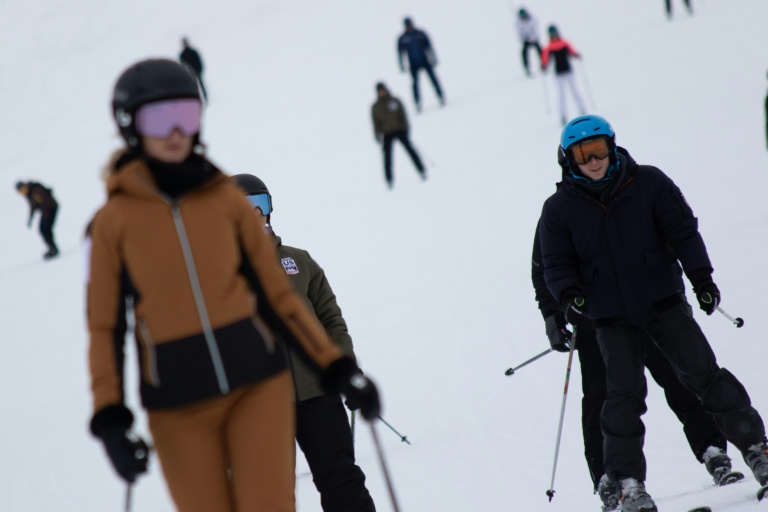
The iconic image of an Italian ski holiday—crisp blue skies, endless groomed pistes, and a lively après-ski scene in a charming alpine village—is facing a dual challenge. Italy’s storied ski resorts, from the mighty Dolomites to the glacier-clad peaks of the Alps, are caught in a pincer movement between the relentless pressure of overtourism and the existential threat of a warming climate. The industry is now in a race to adapt, innovate, and reimagine its future on increasingly unstable ground.
The Crush of the Crowd
Pre-pandemic, major Italian destinations like Cortina d’Ampezzo, Cervinia, or the Sella Ronda circuit were already synonymous with bustling lift lines and packed slopes. The post-lockdown travel surge amplified this, as domestic and international skiers flocked back to the mountains. The crowds bring tangible strains:
-
Infrastructure Stress: Lift queues snake for hours on peak weekends, parking becomes a competitive sport, and road access chokes with traffic.
-
Diminished Experience: The serene, immersive mountain experience is replaced by congestion, impacting safety and enjoyment.
-
Local Tension: The seasonal influx strains housing, waste management, and resources, often pricing out seasonal workers and altering the social fabric of mountain communities.
The Specter of a Shrinking Winter
While crowds are a immediate logistical headache, climate change poses a far more profound, long-term threat. Winters are becoming shorter and warmer.
-
The Snow Deficit: Reliable natural snowfall is less predictable, pushing resorts into an expensive and environmentally contentious dependence on artificial snowmaking. This system requires vast amounts of water and energy, and becomes ineffective when temperatures remain above freezing.
-
Retreating Glaciers: Iconic ski areas on glaciers, like those on the Marmolada or at Passo Stelvio, are receding at alarming rates. These glaciers have historically guaranteed summer skiing and extended seasons; their loss is a stark visual and economic blow.
-
The “Green Christmas”: Rain at mid-mountain altitudes during the crucial holiday season is becoming more common, devastating resort finances and turning slopes from white to green.
Grappling with the Dual Challenge
Faced with this reality, Italian resorts and regional authorities are deploying a multi-pronged strategy:
-
Crowd Management & Tech Integration: Resorts are pushing advanced booking systems for lifts and parking, using real-time crowd-tracking apps to disperse skiers, and promoting lesser-known areas to ease pressure on honeypot sites.
-
The Snowmaking Arms Race: Investments in more efficient, low-energy snow guns and reservoir construction continue, despite the environmental paradox. The focus is on “snow farming”—protecting and storing what snow exists.
-
Diversification as Survival: The most critical shift is the push to become year-round mountain destinations. Resorts are investing heavily in summer tourism: expanding hiking and biking trails, building via ferrata networks, promoting wellness tourism, and hosting festivals. The goal is to decouple their economy from winter snow reliability.
-
Sustainability Pledges: Many are pursuing green certifications, investing in renewable energy for lifts, and promoting local supply chains to reduce their carbon footprint and appeal to a more conscious traveler.
The Road Ahead: Adaptation or Decline?
The path is fraught with complexity. The high cost of adaptation risks being passed to visitors, potentially making skiing an increasingly elite pursuit. There are also tough conversations about the viability of lower-altitude resorts, which may need to abandon skiing altogether and reinvent themselves.
The Italian Alps, however, are no stranger to evolution. The future may see a more nuanced mountain economy—one where skiing remains a celebrated, but not sole, pillar. It will be complemented by a deeper focus on alpine culture, gastronomy, and nature-based activities that are less climate-dependent.
The challenge for Italy’s ski industry is no longer just about managing a successful winter season. It is about orchestrating a fundamental transformation: from snow-centric winter factories to resilient, sustainable, and multi-seasonal stewards of the magnificent, yet vulnerable, alpine landscape. The race is on to ensure the mountains remain vibrant long after the last lift of the ski era has stopped running.