

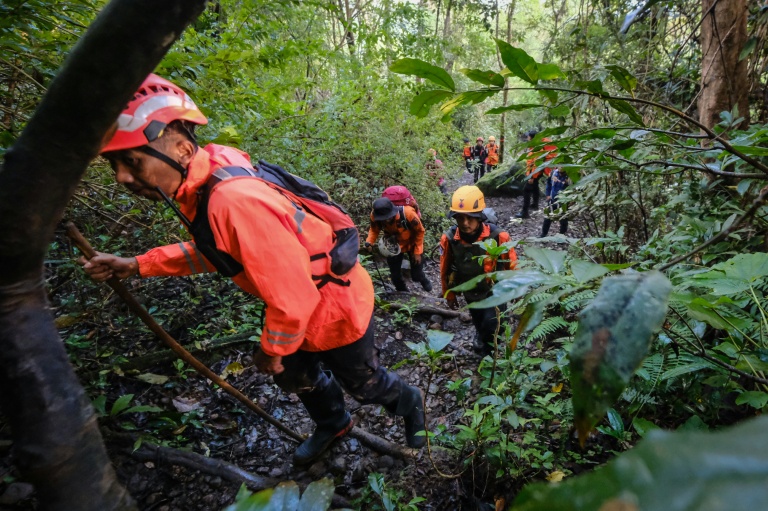
In a tense and urgent development, Indonesian search and rescue teams have located debris from a commercial aircraft that vanished from radar earlier this week, marking a crucial turning point in the multinational effort to locate the missing plane and its passengers.
The Discovery
The debris field was first spotted by a surveillance aircraft approximately 50 nautical miles from the plane’s last known position over the Java Sea. Initial reports indicate scattered pieces of wreckage, including what appear to be sections of aircraft fuselage and cabin interior. Rescue vessels have been dispatched to the area to recover the debris and begin the painstaking process of investigation.
“Our priority right now is the recovery operation and searching for any possible survivors,” said National Search and Rescue Agency (BASARNAS) chief, Henri Alfiandi, in a press conference. “We have multiple ships and helicopters on scene. This is a difficult and emotional moment for all involved.”
Timeline of Events
The aircraft, a Boeing 737 operated by domestic carrier Sriwijaya Air, departed Jakarta’s Soekarno-Hatta International Airport on a routine domestic flight to Pontianak, West Kalimantan. Approximately four minutes after takeoff, air traffic control lost contact with the flight as it disappeared from radar screens.
Within hours, BASARNAS launched a major search operation covering thousands of square miles of ocean, coordinating with the Indonesian Navy, Air Force, and international agencies. The discovery of the debris comes after more than 24 hours of intensive searching amid challenging weather conditions.
The Human Element
The flight was carrying 62 people: 50 passengers and 12 crew members. Families have been gathered at crisis centers in both Jakarta and Pontianak, receiving updates from airline officials and psychological support.
“Everyone at Sriwijaya Air is devastated,” said airline spokesperson, Retri Maya. “Our full focus is on supporting the families and assisting the authorities in every way possible.”
Investigation and Recovery
The discovery of debris allows investigators from Indonesia’s National Transportation Safety Committee (KNKT) to begin the complex task of determining the cause of the crash. Recovery operations will seek to locate the flight data recorder and cockpit voice recorder—the so-called “black boxes”—which are critical to understanding the sequence of events that led to the disaster.
Aviation experts caution that while the debris discovery provides a search focal point, the investigation will likely take months. “The recovery of wreckage and data recorders is just the first step,” said aviation safety analyst, Dr. Anindya Krishnamurthy. “A thorough analysis will follow to ensure any safety lessons are learned.”
Regional Context
Indonesia has worked to improve its aviation safety record in recent years after a series of accidents prompted scrutiny from international regulators. The country’s vast archipelago, with its challenging geography and rapidly growing air travel market, presents unique operational challenges for airlines.
The global aviation community is watching closely, with offers of technical assistance coming from international counterparts, including the U.S. National Transportation Safety Board and Boeing.
Looking Forward
As recovery efforts continue through the night, the focus remains on the meticulous gathering of evidence and providing answers to grieving families. The discovery, while confirming worst fears, provides a starting point for closure and understanding.
Indonesian authorities have promised a transparent investigation. “We owe it to the families and to the future of aviation safety to conduct a thorough and credible investigation,” said Transportation Minister Budi Karya Sumadi. “We will follow the evidence wherever it leads.”
This tragedy serves as a somber reminder of the complex interplay between human expertise, technological systems, and the forces of nature in modern aviation—a field where safety is continually learned, earned, and reinforced through careful investigation and global cooperation.