

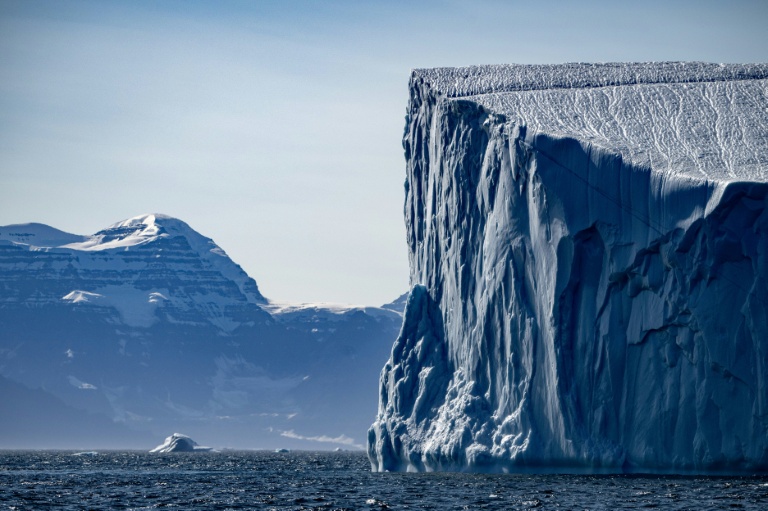
The Arctic, Earth’s icy sentinel, is sounding a deafening alarm. Once a region defined by its resilience to cold, it is now experiencing unprecedented heat, shattering temperature records with terrifying regularity. This isn’t merely a local warm spell; it is the epicenter of a cascading climate crisis, where each broken record triggers a chain reaction of consequences that reverberate across the entire globe.
The Heat is On: Shattering the “New Normal”
The data is stark and relentless. Over the past decade, the Arctic has been warming at more than three times the global average rate—a phenomenon known as “Arctic Amplification.” Sea ice, the region’s gleaming white shield that reflects solar radiation back into space, is in a state of catastrophic decline. Summer minimum extents are among the lowest ever recorded, while winter ice is thinner, younger, and more fragile. In recent years, towns in Siberia have sweltered under temperatures over 30°C (86°F), and scientists have observed rainfall, not snow, on the summit of Greenland’s ice sheet for the first time.
This heat translates to a dramatic loss of the “Albedo Effect.” As bright ice melts, it reveals darker ocean or land, which absorbs more heat, leading to more melting—a vicious, self-reinforcing cycle accelerating its own demise.
The Cascade: Dominoes Fall From the Pole
The impacts of this warming are not contained. They cascade through interconnected systems:
-
The Land Unfrozen: Vast stretches of permafrost—ground frozen for millennia—are now thawing. This releases ancient stores of methane, a potent greenhouse gas, further turbocharging global warming. It also destabilizes infrastructure, uproots entire ecosystems, and unlocks prehistoric pathogens.
-
Ice Sheets and Sea Level Rise: The melting of the Greenland Ice Sheet is now a primary contributor to global sea-level rise. As its glaciers calve into the ocean at an accelerating pace, they commit coastal cities worldwide to a future of increased flooding, erosion, and saltwater intrusion.
-
Jet Stream Disruption: The rapidly warming Arctic reduces the temperature differential that drives the polar jet stream. This weakens and meanders the jet stream, leading to more persistent and extreme weather events in the Northern Hemisphere—be it prolonged heatwaves and droughts in North America, deep freezes in Europe, or intensified flooding events in Asia.
-
Ecosystem Collapse: Iconic species like polar bears, walruses, and seals are losing their hunting platforms and habitats. Indigenous communities, whose cultures, livelihoods, and food security are inextricably linked to the ice, face existential threats. Entire marine food webs, from algae under the ice to great whales, are being disrupted.
-
The Global Climate Engine: The Arctic Ocean’s circulation patterns and its role in regulating the planet’s temperature and climate systems are being altered in ways we are still striving to understand, risking unforeseen and potentially irreversible shifts.
A Global Problem Demanding a Global Response
The message from the top of the world is unequivocal: what happens in the Arctic does not stay in the Arctic. Its fever is a symptom of a planetary illness. The cascading impacts—from submerged coastlines to chaotic weather—are a bill coming due for decades of fossil fuel emissions.
Addressing this crisis requires an urgent, twofold strategy:
-
Mitigation: Drastically and immediately reducing global greenhouse gas emissions is the only way to slow the feedback loops and limit long-term warming. The Paris Agreement targets are not abstract goals; they are critical thresholds for Arctic stability.
-
Adaptation: Simultaneously, we must support Arctic communities and nations in adapting to changes that are now unavoidable, while strengthening global resilience against sea-level rise and climate disruption.
The unprecedented heat in the Arctic is more than a statistic; it is a live feed from the front lines of climate change. It shows us that the cascade has begun. Our response will determine whether we can stabilize the system or be swept away by its consequences. The fate of our icy north is, inextricably, the fate of us all.