

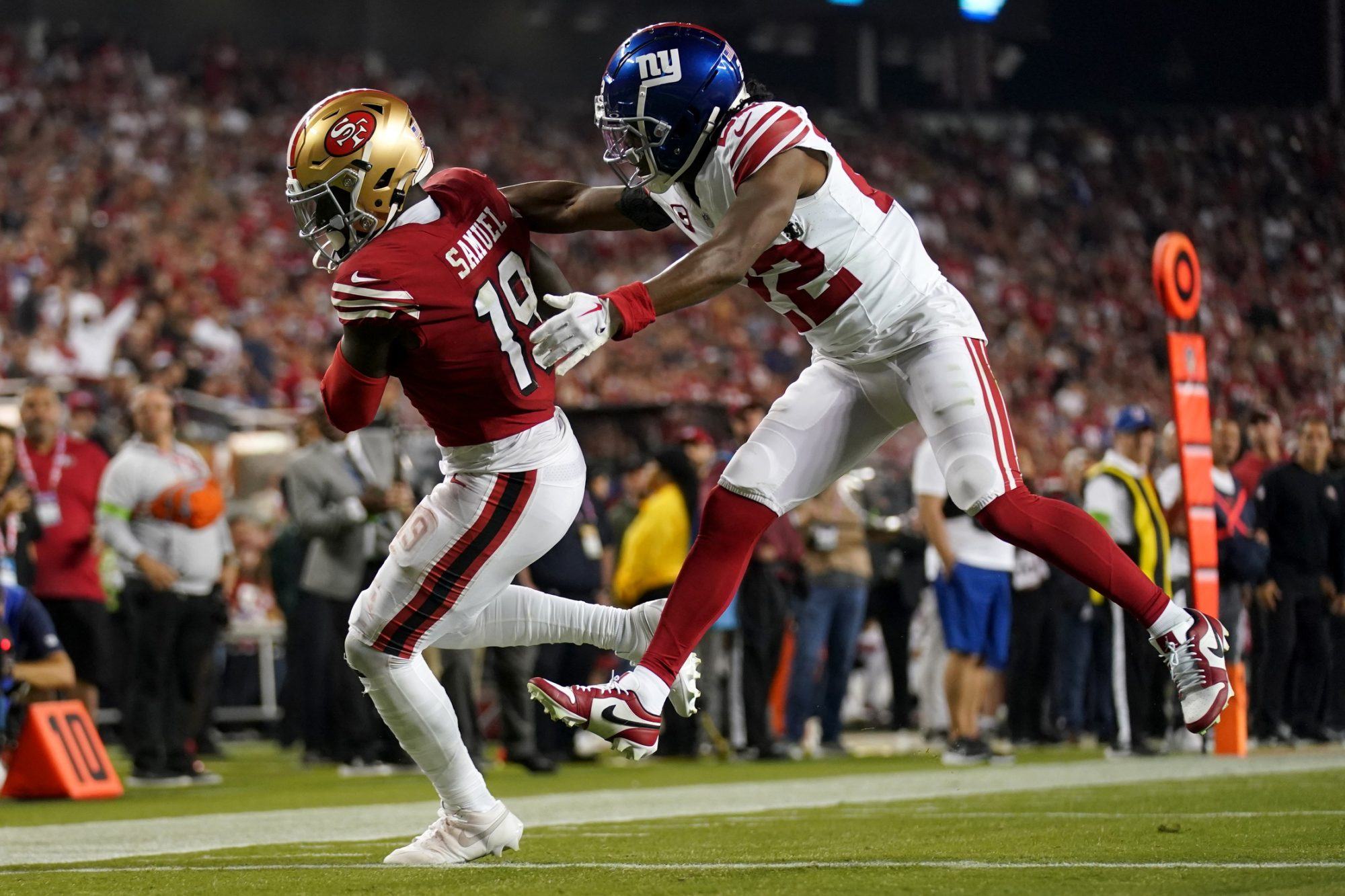
For years, the narrative around Thursday Night Football (TNF) has been a tale of two competing truths. On one hand, it consistently ranks as one of the highest-rated programs on television each week, a ratings behemoth that networks pay billions to broadcast. On the other, it has often been criticized by fans and players alike for the frequently sloppy on-field product, a result of short rest and limited practice time. The story of TNF’s ratings is not a simple one of growth or decline; it’s a complex saga of market saturation, strategic pivots, and the evolving landscape of how America consumes its football.
The Peak: A Broadcast Juggernaut
TNF’s journey to becoming a prime-time staple began in earnest when it moved from NFL Network to a broader broadcast partnership with CBS and NBC. For networks, it was a guaranteed winner. Even a “bad” TNF game would easily dominate the night in the coveted 18-49 demographic, often drawing between 10-15 million viewers. At its peak, it was a no-brainer for advertisers and a reliable audience generator for networks looking to promote their other shows. The NFL, ever the savvy business, had successfully created another massive inventory of prime-time advertising real estate.
The Cracks Begin to Show: Fatigue and Quality
However, the cracks in the foundation began to show. A chorus of complaints grew louder:
-
Player Safety & Product Quality: Players and coaches were vocal about the physical toll of playing on Sunday and then again on Thursday. The lack of recovery and preparation time often led to games that were riddled with penalties, missed assignments, and a generally lower quality of play compared to Sunday contests.
-
Fan Fatigue: For viewers, the “every night is football night” model, combined with Sunday games and Monday Night Football, led to a sense of saturation. A mediocre matchup between two .500 teams lost its appeal when the alternative was a night off from football.
-
The Streaming Pivot: Recognizing shifting viewer habits, the NFL made a monumental move. Ahead of the 2022 season, it signed an 11-year deal with tech giant Amazon, making its Prime Video service the exclusive home for TNF. This was a bet on the future, but it came with an immediate short-term cost: a significant drop in linear TV viewership.
The Amazon Era: A New Ratings Paradigm
The initial season on Amazon Prime Video sent shockwaves through the industry. Early games saw ratings drop roughly 20% from the previous year’s linear broadcast numbers. Headlines proclaimed the experiment a failure. But this was a superficial reading.
The move to streaming fundamentally changed how ratings are measured. Traditional Nielsen ratings struggled to capture the full picture of streaming viewership across countless devices. While linear numbers were down, Amazon reported strong “first-party” data, boasting of a younger, more affluent, and tech-savvy audience that advertisers desperately wanted to reach. The value of the audience was arguably as important as its raw size.
Furthermore, the 2023 season told a different story. TNF on Amazon saw a substantial uptick of 24% in viewership year-over-year. This surge was attributed to several factors: better overall matchups, the natural adoption curve of viewers becoming more comfortable finding games on streaming, and the draw of new, star-powered broadcast teams. The platform also offered innovative features like “Dude Perfect” alternate streams and interactive stats, appealing to a demographic that traditional broadcast couldn’t capture.
What the Numbers Really Mean
So, are TNF ratings up or down? The answer is both, depending on the timeframe and metric you use.
-
Compared to its Linear TV Peak? Down. TNF no longer regularly pulls the 15+ million viewers it once did on CBS or NBC. The move to a paid streaming platform inherently shrinks the potential audience pool.
-
Year-over-Year on Streaming? Sharply Up. Amazon’s 2023 rebound demonstrates that the platform is growing its audience and overcoming initial adoption hurdles.
-
As a Investment for the Future? Sky-High. The NFL isn’t judging TNF solely on 2022 numbers. They are playing a long game. The Amazon deal is about embedding the NFL into the digital ecosystem, gathering invaluable data, and securing a lucrative revenue stream insulated from the gradual decline of traditional cable.
The Bottom Line
The story of Thursday Night Football ratings is a microcosm of the entire media industry. It’s a transition from the old world of broadcast dominance to the new world of targeted, digital streaming. While the raw viewer numbers may never again reach their linear television heights, the league has successfully future-proofed a valuable asset.
The ratings are no longer just a measure of how many people are watching; they are a measure of who is watching and how. For the NFL and its partners, attracting a younger, global, and digitally-engaged audience on Amazon Prime might ultimately be more valuable than simply winning a Thursday night ratings battle on traditional TV. The game has changed, and so have the rules for keeping score.