


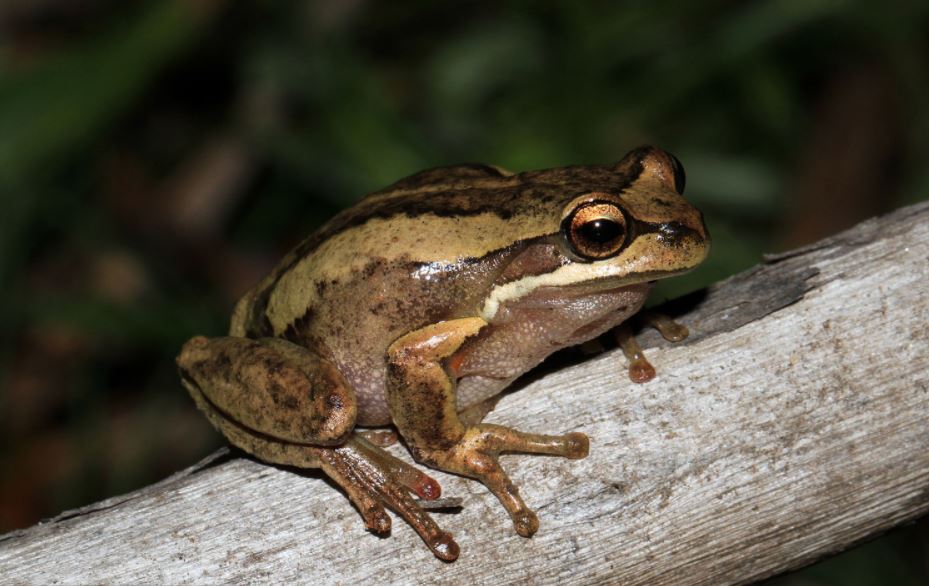
In the murky waters of the world’s wetlands and rainforests, a silent massacre has been unfolding for decades. Amphibians, Earth’s most vulnerable class of vertebrates, are being wiped out at an alarming rate. While habitat loss and climate change play a role, one of the primary executioners is a microscopic, aquatic fungus called Batrachochytrium dendrobatidis (Bd), more commonly known as chytrid fungus. And a significant driver of its relentless global spread is not a force of nature, but a multi-million dollar human enterprise: the international frog meat trade.
The Invisible Killer: Chytrid Fungus
Chytrid fungus is a pathogen uniquely adapted to destroy amphibians. It invades the keratin-rich skin of frogs, toads, and salamanders. Since many amphibians breathe and regulate crucial electrolytes through their skin, the infection thickens this vital organ, leading to cardiac arrest. It is responsible for what scientists call the “panzootic”—the wildlife disease equivalent of a pandemic—linked to the decline or extinction of over 500 amphibian species worldwide, making it the most destructive pathogen in terms of biodiversity loss ever recorded.
The Trade: From Luxury Dish to Global Commodity
The journey of the pathogen is inextricably linked to the journey of the amphibians themselves. The global trade in frog legs, a culinary delicacy in parts of Europe (notably France and Belgium), the United States, and Asia, moves thousands of tons of live and processed frogs annually. Major exporting nations include Indonesia, Vietnam, Turkey, and Albania.
The problem lies in both logistics and biology. Frogs are often captured from the wild, housed in densely packed, unsanitary conditions, and transported across continents. This creates a perfect breeding ground for Bd. An infected frog in a shipment can quickly spread the fungus to hundreds of others. When these frogs arrive at their destination, wastewater from holding facilities or processing plants, teeming with fungal spores, is often released into local waterways. This introduces the pathogen to naive native amphibian populations with catastrophic consequences.
Furthermore, the “Asian bullfrog” (Hoplobatrachus tigerinus), a primary species in the trade, is often tolerant of Bd—it can carry the fungus without showing symptoms, acting as a silent superspreader. When these carriers are farmed or held near native species, they act as a reservoir, spilling the pathogen into ecosystems with devastating effects.
A Case Study in Unintended Consequences
The impact is not hypothetical. Scientists have directly traced novel, deadly strains of chytrid fungus to lines of the international trade. Perhaps the most chilling example is the spread of a hypervirulent strain, Batrachochytrium dendrobatidis Global Pandemic Lineage (BdGPL), which has been linked to trade routes. Countries that import frog legs have repeatedly seen outbreaks in their native amphibians traced back to imported, infected animals.
The trade also creates a perverse ecological feedback loop. As frogs are depleted in one region for export, suppliers move to new areas, potentially tapping into new amphibian communities and extracting new strains of the pathogen, which are then circulated globally. It’s a relentless cycle of disease introduction.
Beyond Borders: A Multifaceted Threat
The frog meat trade is not the only vector—the pet trade and scientific trade also contribute—but its scale and the conditions of transport make it a particularly potent engine for dispersal. The issue is compounded by a near-total lack of health screening for the fungus in the vast majority of traded amphibians. There are no international wildlife disease regulations under bodies like the Convention on International Trade in Endangered Species (CITES) that mandate testing for chytrid fungus in amphibian shipments.
The Path Forward: Quarantine, Regulation, and Awareness
Addressing this crisis requires a multi-pronged approach:
-
Strict Biosecurity and Certification: Implementing mandatory health certifications and quarantine procedures for internationally traded amphibians is essential. This would require political will and investment in testing capacity at export and import hubs.
-
Shifting to Closed-System Farming: If the trade continues, a shift to rigorous, biosecure, closed-system aquaculture—where amphibians are bred in captivity, never exposed to wild populations, and routinely tested—could mitigate risk. However, this is costly and difficult to enforce.
-
Consumer Awareness: Ultimately, demand drives the trade. Educating consumers about the ecological cost of their culinary choices can reduce demand. Some chefs and restaurants are already removing frog legs from menus upon learning of their role in the amphibian crisis.
-
Strengthening International Policy: Wildlife and public health agencies need to recognize wildlife disease spread as a critical threat to biodiversity and treat it with the same seriousness as agricultural biosecurity.
Conclusion
The international frog meat trade represents a stark lesson in globalization’s unintended consequences. A dinner plate in Brussels is directly connected to the silent forests of Southeast Asia and South America, where the chorus of frogs has been permanently stilled. We are trading biodiversity for a fleeting taste, inadvertently spreading a biological wildfire. Halting the spread of this deadly fungus requires us to look critically at the supply chains we’ve created and recognize that the health of global ecosystems is often held in the balance of our economic choices. The survival of hundreds of amphibian species may depend on our ability to regulate a trade that has, for too long, operated in the shadows.