


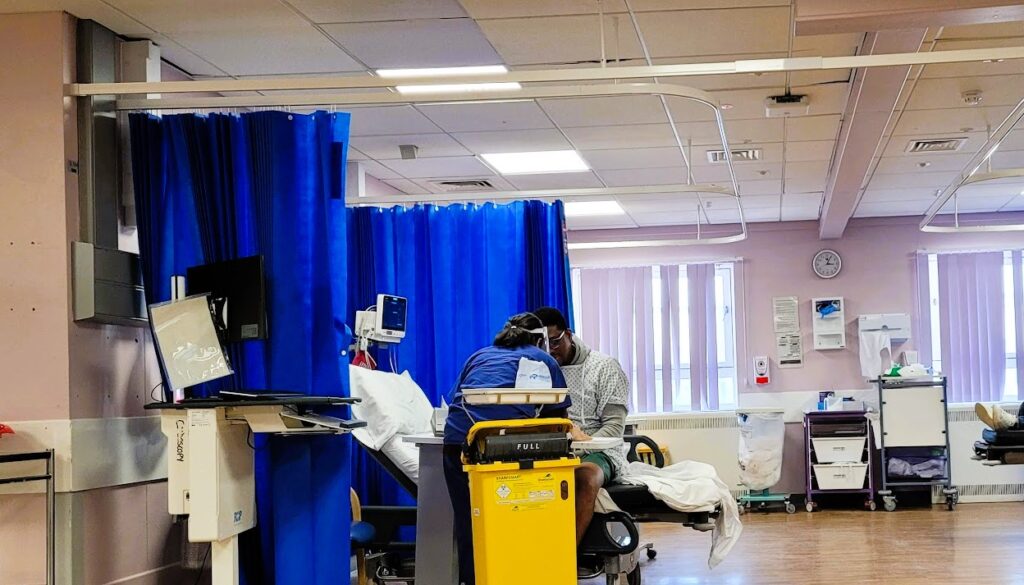
In the high-stakes environment of the Intensive Care Unit (ICU), every second and every data point counts. Clinicians tirelessly monitor vital signs, lab results, and complex medication regimes to keep critically ill patients stable. Yet, one fundamental component of recovery has remained surprisingly difficult to optimize at the individual level: medical nutrition. Now, artificial intelligence (AI) is emerging as a transformative tool, poised to predict hidden nutrition risks before they compromise patient outcomes.
The Silent Challenge of ICU Nutrition
For ICU patients, nutrition is not about sustenance—it’s a core therapeutic intervention. Malnutrition or suboptimal feeding in critical illness is linked to weaker immune function, prolonged ventilator dependence, increased infection rates, slower wound healing, and higher mortality. However, determining the right type, amount, and timing of nutrition is fraught with challenges:
-
Dynamic Metabolic States: A patient’s nutritional needs can shift hourly due to fever, infection, or organ failure.
-
Data Overload: Clinicians are inundated with thousands of data points—from electrolyte levels and lactate scores to medication interactions and fluid balances—making it nearly impossible to manually synthesize this into an optimal nutrition plan.
-
Delayed Recognition: Traditional methods often identify nutrition deficits only after weight loss or lab abnormalities occur, which is too late for preventative action.
How AI Shifts the Paradigm: From Reaction to Prediction
AI, particularly machine learning (ML) models, can process vast, multifaceted datasets in real-time, identifying subtle patterns invisible to the human eye. Here’s how it’s revolutionizing the field:
-
Integrated Risk Stratification: AI algorithms can amalgamate data from electronic health records (EHRs), including admission diagnoses, severity scores (like APACHE II), inflammatory markers, prior nutritional status, and real-time analytics. By analyzing this collective data, models can predict a patient’s risk of sarcopenia (muscle wasting), refeeding syndrome, or intolerance to enteral feeding within the first 24 hours of ICU admission.
-
Personalized Feeding Protocols: Instead of a one-size-fits-all approach, AI can recommend personalized calorie and protein targets. It can factor in the impact of sedatives that slow gut motility, or predict how renal function will affect electrolyte balance during feeding, allowing for proactive adjustments.
-
Early Warning Systems: Advanced algorithms can analyze trends in data such as gastric residual volumes, blood glucose variability, and urea excretion to forecast complications like feeding intolerance or catheter-related bloodstream infections linked to parenteral nutrition, alerting teams days before clinical symptoms appear.
Early Evidence and Promising Applications
Pilot studies and research initiatives are already demonstrating potential:
-
Algorithms trained on EHR data have successfully predicted the need for prolonged nutritional support beyond ICU discharge.
-
ML models analyzing CT scans can quantify muscle mass and adipose tissue, providing an objective, automatic assessment of sarcopenia risk.
-
AI-driven simulation models can forecast how different nutrition regimens might impact a patient’s projected length of stay or recovery trajectory.
Navigating the Implementation Challenges
The path forward requires careful navigation of significant hurdles:
-
Data Quality & Integration: AI models are only as good as the data they’re fed. Fragmented data systems and inconsistent documentation practices must be addressed.
-
Interpretability & Trust: For ICU teams to adopt AI, models must provide clear, interpretable recommendations—the “why” behind a prediction—rather than acting as a black box.
-
Clinical Validation & Workflow Integration: Tools must prove efficacy in rigorous clinical trials and be seamlessly embedded into clinician workflows without adding to cognitive burden.
The Future: A Collaborative Critical Care Team
The goal is not to replace dietitians and intensivists, but to empower them. The future envisions an AI “co-pilot” in the ICU—a system that continuously monitors nutritional biomarkers, synthesizes global patient status, and delivers actionable, predictive insights to the human experts at the bedside.
Conclusion
Predicting nutrition risk is a complex puzzle with direct consequences for survival and recovery in the ICU. AI offers the unprecedented computational power to solve this puzzle in real-time, shifting nutritional care from a reactive protocol to a proactive, precise pillar of critical care medicine. By harnessing this technology responsibly, we can uncover hidden risks, personalize interventions, and ultimately, nourish patients toward stronger, faster recoveries. The era of predictive nutrition in critical care is not just on the horizon—it is already being coded into existence.