


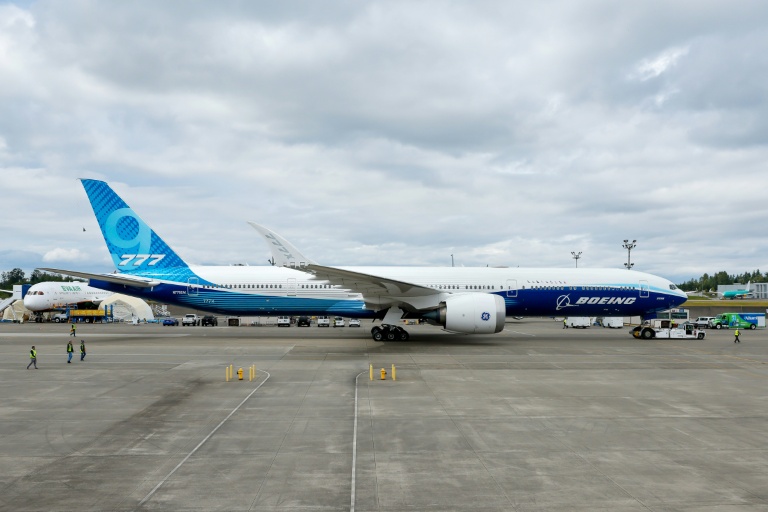
The aerospace giant takes a massive charge on its flagship widebody jet, underscoring the deep-rooted challenges facing its commercial airplane division.
CHICAGO – Boeing Co. reported a staggering quarterly loss of $5.4 billion on Wednesday, a figure overwhelmingly driven by massive charges linked to further delays in its flagship 777X jetliner program. The announcement casts a long shadow over the company’s road to recovery, demonstrating that even as it navigates the aftermath of the 737 MAX crises and a pandemic-stricken aviation market, new and expensive problems continue to emerge.
The centerpiece of the loss is a $3.5 billion pre-tax charge against the 777X program. Company officials attributed this to several converging factors: updated assumptions on aircraft performance and market demand, alongside prolonged regulatory scrutiny from global aviation authorities, most notably the Federal Aviation Administration (FAA).
The 777X, a larger and more fuel-efficient update to the popular 777 widebody, is now not expected to enter service until late 2025, a delay of nearly two years from previous estimates. This postponement pushes the first deliveries back by more than five years from the jet’s initial launch timeline.
“This is a reflection of the new, more disciplined approach we are taking to program accounting,” said Boeing CEO David Calhoun in a call with investors. “We are being realistic about the environment we are in, which includes a deeper understanding of the certification requirements set by the global regulators. We are fully committed to working transparently with the FAA to ensure this aircraft meets the highest safety standards.”
In addition to the 777X charges, Boeing recorded another $1 billion in abnormal production costs on the 787 Dreamliner program, which has been plagued by a series of manufacturing defects and quality concerns that have halted deliveries for most of the past year.
The dismal earnings report sent Boeing’s shares down nearly 5% in pre-market trading, erasing gains made earlier in the year. The results starkly contrast with the improving fortunes of its European rival, Airbus, which has steadily increased production rates of its competing A350 model and recently reported a return to profitability.
“The sheer size of this loss on the 777X is alarming,” said Ron Epstein, an aerospace analyst at Bank of America. “It tells you that the problems are not just superficial delays, but fundamental issues with the program’s economics and the certification pathway. The 777X is critical to Boeing’s long-term competitiveness in the widebody segment, and every delay cedes more ground to Airbus.”
The 777X’s difficulties are multifaceted. The aircraft’s complex, first-of-its-kind folding wingtips have been a particular focus for regulators. Furthermore, the market for large widebody jets, which are typically used on long-haul international routes, has been the slowest to recover from the COVID-19 pandemic, forcing Boeing to reassess production rates and delivery schedules.
While Boeing’s commercial airplane division bled cash, the company’s defense and services units provided a glimmer of stability, reporting positive earnings. However, this was far from enough to offset the massive charges in the commercial sector.
The $5.4 billion loss underscores the monumental task facing CEO Calhoun as he attempts to steer the 106-year-old aerospace titan back to financial health and reputational solidity. The company must simultaneously:
-
Safely return the 737 MAX to service globally and ramp up production.
-
Resolve the quality issues and resume deliveries of the 787 Dreamliner.
-
Navigate the arduous and costly certification process for the 777X.
For now, the dream of the 777X ushering in a new era of profitability for Boeing remains on the distant horizon, its timeline pushed back once more at a cost of billions.