


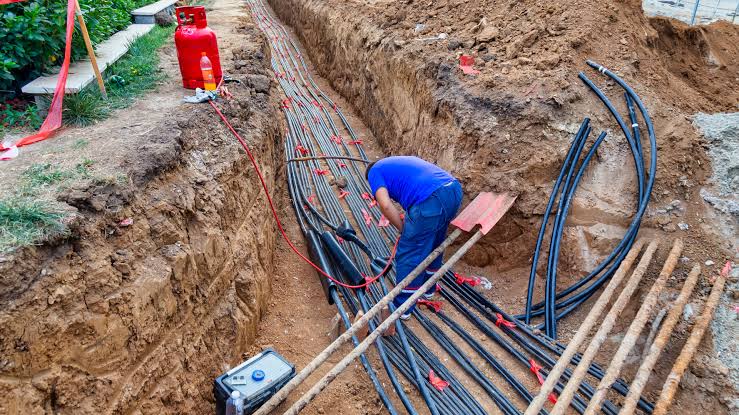
For decades, the development of a new site—be it a residential community, commercial complex, or industrial park—followed a familiar script. The utilities that form the backbone of civilization—water, sewer, stormwater, and energy—were installed using conventional, often resource-intensive methods. The primary goals were simple: functionality, cost, and regulatory compliance.
Today, that script is being rewritten. A powerful wave of sustainability is transforming the world of civil engineering and construction, pushing site utility projects to the forefront of ecological innovation. The new paradigm is no longer just about moving water and power, but about doing so in a way that regenerates the environment, enhances resilience, and creates a circular economy of resources.
Here are the key eco-friendly trends redefining site utility projects for a sustainable future.
1. The Rise of the “Sponge City”: Sustainable Stormwater Management
The era of simply piping rainwater away as quickly as possible is over. The new approach treats stormwater as a valuable resource, not a waste product. This philosophy is embodied in Low-Impact Development (LID) and the broader “Sponge City” concept.
-
Green Infrastructure: Instead of vast networks of concrete pipes and culverts, projects now integrate features like bioswales, rain gardens, and permeable pavements. These systems allow stormwater to infiltrate the ground naturally, replenishing aquifers, filtering out pollutants, and reducing the burden on municipal sewer systems.
-
Rainwater Harvesting: Collecting rainwater from rooftops and other surfaces for non-potable uses like irrigation, toilet flushing, and cooling tower makeup is becoming standard practice. This reduces the demand on treated municipal water, conserving both water and the energy required to pump and purify it.
2. Closing the Loop: Water Reuse and Decentralized Treatment
The linear model of “take, use, dispose” is being replaced by a circular one. On-site water reuse, or water recycling, is a game-changer for reducing a site’s environmental footprint.
-
Greywater and Blackwater Systems: Advanced, compact treatment technologies now allow for the on-site recycling of greywater (from sinks, showers, and laundry) and even blackwater (from toilets). Treated water can be safely reused for irrigation and toilet flushing, slashing potable water consumption by up to 50% or more in some projects.
-
Decentralized Wastewater Treatment: For larger campuses or remote sites, small-scale, energy-efficient treatment plants can process wastewater to a high standard, often discharging it locally for groundwater recharge or landscape use, eliminating the need for long, energy-intensive sewer lines.
3. Energizing the Grid: Renewable Integration and Smart Energy
Site utilities are no longer just about consumption; they’re becoming active participants in energy generation and management.
-
Renewable Microgrids: Solar canopies over parking lots, small-scale wind turbines, and even geothermal exchange systems are being integrated directly into site utility plans. These sources can power common area lighting, charging stations, and treatment pumps, increasing energy independence and resilience.
-
Electric Vehicle (EV) Ready Infrastructure: A modern site utility plan is inherently EV-ready. This involves not just installing a few charging ports today, but pre-installing the conduit and electrical capacity throughout a site (parking structures, commercial lots) to support a future where electric transportation is the norm, avoiding costly retrofits later.
4. The Digital Twin: Smart Networks and IoT
The “greenest” utility is the one that operates with maximum efficiency. The Internet of Things (IoT) is bringing unprecedented intelligence to site utilities.
-
Smart Water Meters & Pressure Sensors: These devices can detect leaks in real-time, allowing for immediate repairs that save millions of gallons of water. They also optimize pump operations, reducing energy use.
-
Digital Twins: Engineers and facility managers can now create a dynamic digital replica of a site’s entire utility network. This model allows them to simulate scenarios, predict maintenance needs, and optimize the entire system for peak performance and minimal waste throughout its lifecycle.
5. Building with the Earth: Trenchless Technology and Sustainable Materials
Even the physical installation of utilities is getting a green makeover.
-
Trenchless Technology: Methods like Horizontal Directional Drilling (HDD) and pipe bursting allow for the installation or rehabilitation of underground pipes with minimal surface disruption. This preserves topsoil, protects tree root systems, reduces dust and noise pollution, and significantly cuts down on the carbon emissions associated with excavation and backfilling.
-
Sustainable Materials: The industry is seeing a shift towards using pipes made from recycled HDPE (High-Density Polyethylene), non-toxic jointing materials, and other products with lower embodied carbon and a longer service life.
The Bottom Line: A Shift in Philosophy
These trends represent more than just new technologies; they signify a fundamental shift in philosophy. Developers, engineers, and municipalities are now recognizing that the initial investment in green utilities pays long-term dividends:
-
Enhanced Resilience: Sites are better equipped to handle climate-related stresses like drought and intense storms.
-
Reduced Lifetime Costs: Lower water and energy bills, combined with reduced maintenance, improve the project’s financial viability.
-
Regulatory Advantage & Market Value: Meeting and exceeding environmental regulations is becoming easier, and sustainable features are a powerful selling point, increasing property value.
The future of site development is not just about what we build above ground, but how intelligently and sustainably we manage the vital systems below. By embracing these eco-friendly trends, we are not just constructing sites—we are cultivating resilient, resource-conscious ecosystems for generations to come.