


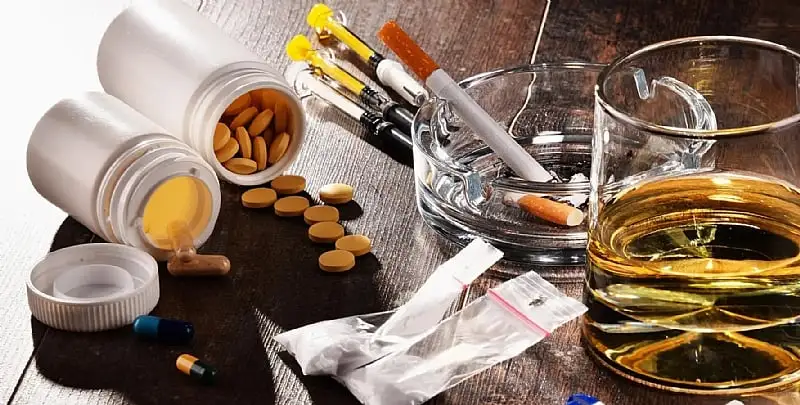
Ghana, a nation celebrated for its vibrant culture and warm hospitality, is engaged in a quiet but determined battle against a growing threat: substance addiction. For years, the issue was shrouded in stigma, often dismissed as a moral failing or a problem of the weak-willed. Today, however, the narrative is shifting. Ghana is mounting a comprehensive and compassionate response, blending public health initiatives, law enforcement, and community-driven efforts to tackle addiction head-on. While challenges remain, the strategies employed and the successes achieved offer a blueprint for hope and recovery.
Understanding the Evolving Landscape of Addiction
The face of addiction in Ghana has changed dramatically. While alcohol remains the most widely abused substance, the surge in the use of illicit drugs like tramadol, cannabis (especially the high-potency “skunk”), and cocaine has created a complex public health crisis. Furthermore, the abuse of prescription painkillers and the volatile concoction known as “akpeteshie” (a locally distilled spirit) in impoverished communities compound the problem.
This crisis cuts across socio-economic lines, affecting youth in urban centers, kayayei (head porters) seeking respite from their toil, and professionals struggling with stress. Recognizing this, Ghana’s strategy has evolved from purely punitive measures to a more holistic, multi-pronged approach.
Key Strategies in the National Fightback
1. Policy and Legislative Overhaul:
The cornerstone of Ghana’s formal response is the Mental Health Act (Act 846) of 2012. This landmark legislation decriminalized attempted suicide and, by extension, began shifting the perception of addiction from a criminal issue to a health one. It mandated the establishment of the Mental Health Authority, which now plays a pivotal role in coordinating addiction treatment services across the country.
Complementing this is the Narcotics Control Commission Act (Act 1019) of 2020, which transformed the Narcotics Control Board into a Commission. This act emphasizes public education and rehabilitation, allowing for alternatives to incarceration for minor drug offenses, focusing instead on treatment and reintegration.
2. Treatment and Rehabilitation: Expanding Access to Care
The government, through the Mental Health Authority, is working to integrate mental health and substance abuse treatment into primary healthcare. This “mainstreaming” makes services more accessible at the district level, reducing the need for long journeys to specialized centers.
Crucially, the fight is being bolstered by a growing network of private and faith-based rehabilitation centers. Facilities like the Pantang Hospital, Accra Psychiatric Hospital, and numerous private clinics provide inpatient and outpatient services, including detoxification, counseling, and psychosocial support.
3. Public Awareness and Destigmatization Campaigns:
Breaking the culture of silence is critical. Nationwide campaigns, often led by the Mental Health Authority in partnership with NGOs, use radio, television, and social media to educate the public about the signs of addiction and the importance of seeking help. The language is changing—from “junkie” or “opioid” to “person with a substance use disorder”—promoting a more empathetic and understanding society.
4. Community and NGO-Led Interventions:
Grassroots organizations are the lifeblood of Ghana’s addiction response. Groups like West Africa AIDS Foundation (WAAF) and Doctors for Life Ghana operate drop-in centers, offer free counseling, and run harm-reduction programs, including needle and syringe exchanges for people who inject drugs. These community-based approaches are vital for reaching vulnerable and often hidden populations.
5. Law Enforcement with a Public Health Lens:
While the focus is shifting to health, law enforcement remains a key partner. The Narcotics Control Commission focuses on disrupting major trafficking rings that fuel the supply. Simultaneously, police are increasingly being trained to recognize substance-induced crises and divert individuals to health services instead of cells, a practice that is slowly gaining traction.
Celebrating Tangible Successes
The concerted efforts are beginning to bear fruit, with several notable successes:
-
Increased Public Discourse: Addiction is now a topic of open discussion in media circles, community forums, and even parliament. This breaking of stigma is the first and most crucial step toward recovery for thousands.
-
Rising Treatment-Seeking Behavior: As stigma decreases, more individuals and families are seeking help. Rehab centers report a steady increase in admissions, indicating a growing trust in the available support systems.
-
Successful Rehab and Reintegration Stories: Personal stories of recovery are becoming powerful testaments to what is possible. Many rehab centers run vocational training programs, equipping recovering individuals with skills in baking, soap-making, or IT, facilitating their successful return to society as productive citizens.
-
Stronger Collaborative Networks: The collaboration between government agencies, NGOs, and traditional/faith leaders has never been stronger. This multi-sectoral approach ensures a more unified and effective front against the problem.
The Road Ahead: Persistent Challenges
Despite the progress, the path is not without obstacles. Funding for public treatment centers remains inadequate, leading to overcrowding and limited resources. There is also a geographical disparity in service provision, with rural areas having far fewer options than urban centers. The relentless influx of illicit drugs and the evolving nature of synthetic substances present an ongoing battle.
Conclusion: A Nation Healing
Ghana’s fight against addiction is a testament to its resilience and compassion. By moving beyond punishment and embracing a public health model that prioritizes treatment, education, and community, the country is building a formidable defense. The successes, though hard-won, demonstrate that recovery is possible. The journey is long, but with continued commitment and collaboration, Ghana is not just fighting addiction—it is fostering a healthier, more hopeful future for all its people.