


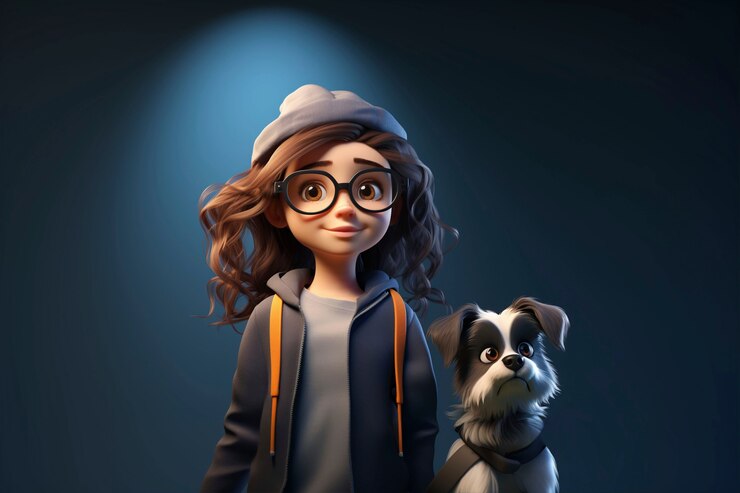
Across TikTok, Twitter, and Discord, you might stumble upon profiles adorned with canine ears, wagging tail GIFs, and the recurring tag “puppygirlxd.” It’s more than just a quirky username; it’s the banner for a specific and increasingly visible online subculture and aesthetic roleplay trend. So, what exactly does “puppygirlxd” represent?
The Puppygirl Persona
The “puppygirl” persona involves individuals (primarily, but not exclusively, women and femme-presenting people) playfully adopting mannerisms and aesthetics associated with puppies. This includes:
-
Behavioral Traits: Playful head tilts, exaggerated excitement (“yippee!”), whimpering sounds, seeking attention/affection (like nuzzling or asking for head pats), playful clumsiness, and expressing loyalty and devotion.
-
Aesthetic Markers: Digital or sometimes physical accessories like dog ears (often pastel-colored or anime-style), tails, collars (sometimes with charms or tags), paw motifs, and soft, cozy clothing. The “xd” in the name is a common internet emoticon representing a wide, laughing face, reinforcing the playful, non-serious tone.
-
Relationship Dynamics (Often Roleplayed): Frequently, the persona is expressed within the context of a dynamic with a “handler,” “owner,” or “master.” This dynamic emphasizes care, guidance, affection, and playful obedience from the “puppygirl,” and nurturing, protection, and affection from the “handler.” It’s crucial to understand this is primarily consensual roleplay (RP) focused on comfort, affection, and a specific kind of dynamic, distinct from literal ownership or non-consensual power exchange. It often falls under the broader umbrella of “petplay” but is typically depicted in a very soft, non-sexualized, and wholesome way online.
The “xd” Aesthetic: Wholesomeness and Online Cuteness
The “xd” suffix isn’t just random; it signals a specific vibe:
-
Hyper-Online: Deeply rooted in internet culture, memes, and specific communities (like certain anime fandoms or Discord groups).
-
Wholesome/Kawaii Focus: Emphasis on cuteness (“soft” vibes), comfort, positivity, and emotional warmth. The interactions are often depicted as sweet and nurturing.
-
Playful and Lighthearted: The “xd” laugh implies it’s not meant to be taken with extreme seriousness; it’s fun, silly escapism.
-
Accessible Roleplay: Provides a framework for expressing affection, vulnerability, and a desire for care in a stylized, low-pressure way.
Why Puppygirlxd?
The trend resonates for several reasons:
-
Expression of Affection & Vulnerability: It offers a stylized, safe way to express needs for attention, affection, and comfort without the perceived vulnerability of direct requests. The “puppy” frame makes it playful and less intimidating.
-
Escapism and Comfort: Adopting a simple, carefree, and adored persona can be a comforting escape from daily stresses, anxiety, or complex social interactions. It’s a return to a perceived state of innocence and unconditional affection.
-
Community and Belonging: Online spaces (Discord servers, TikTok niches) allow “puppygirls” and “handlers” to connect, share experiences, art, memes, and roleplay scenarios, fostering a sense of belonging with shared language and aesthetics.
-
Exploration of Identity and Dynamics: For some, it’s a way to explore aspects of submission, devotion, or nurturing within a safe, consensual, and highly aestheticized container.
-
Counter-Culture to Hustle: In contrast to “hustle culture” or hyper-independence, the puppygirl persona embraces softness, reliance (within the RP), and receiving care.
Controversies and Misunderstandings
Like any online subculture, “puppygirlxd” isn’t without its critiques or points of friction:
-
Oversimplification of Relationships: Critics might argue it promotes overly simplistic or potentially unhealthy dynamics if taken too literally outside of conscious RP.
-
Infantilization Concerns: Some perceive the aesthetic and behavior as bordering on infantilization, though participants strongly emphasize it’s about a specific animal persona, not regression to childhood.
-
Misinterpretation as Kink: While it shares roots with petplay (a BDSM/kink subset), the mainstream “puppygirlxd” trend as seen on platforms like TikTok is overwhelmingly presented as non-sexual, SFW (Safe For Work), and focused on wholesomeness. This distinction is vital but sometimes blurred or misunderstood by outsiders.
-
Cringe Culture: As with many niche online aesthetics, it faces dismissal or mockery (“cringe”) from those outside the community.
Beyond the Meme: A Cultural Artifact
“Puppygirlxd” is more than a fleeting meme. It’s a fascinating cultural artifact highlighting:
-
The Evolution of Online Identity: How individuals craft intricate, aesthetic-driven personas for expression and connection.
-
The Search for Comfort: The desire for softness, affection, and safe dynamics in an often harsh world.
-
The Power of Niche Communities: The internet enables highly specific subcultures to thrive and find belonging.
-
The Aestheticization of Emotion: Packaging complex feelings like vulnerability or devotion into recognizable, cute tropes.
In Conclusion
The “puppygirlxd” phenomenon is a blend of playful roleplay, specific aesthetics, and a shared language born from internet culture. Centered on themes of affection, comfort, and a stylized puppy persona, it provides a unique avenue for expression, community, and escapism for its participants. While it might seem peculiar to outsiders, understanding it requires recognizing its context as primarily SFW, consensual roleplay focused on cuteness and emotional connection within its dedicated online spaces. It’s a testament to the diverse and creative ways people seek connection and express facets of themselves in the digital age.