


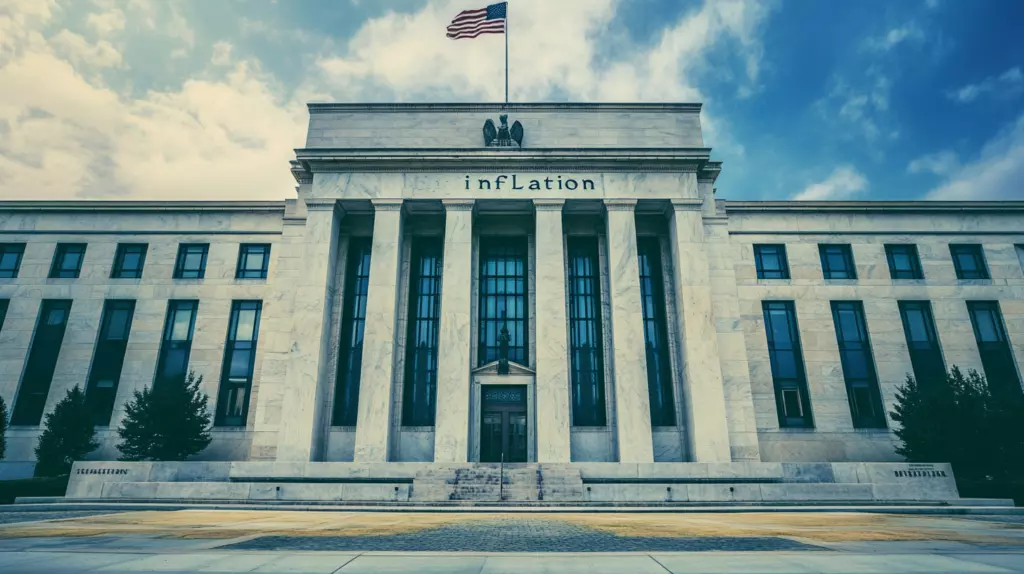
The latest inflation report has sent shockwaves through financial markets, reinforcing concerns that persistent price pressures may delay Federal Reserve interest rate cuts. With consumer prices rising more than expected and new tariffs adding to cost pressures, the Fed faces a difficult balancing act between taming inflation and avoiding an economic slowdown.
This article examines the implications of the latest inflation data, the impact of rising tariffs, and the Fed’s policy dilemma as it navigates an increasingly complex economic landscape.
Key Takeaways from the Inflation Report
The Consumer Price Index (CPI) for [latest month] showed inflation rising by X% year-over-year, surpassing economists’ forecasts. Core CPI, which excludes volatile food and energy prices, climbed X%, indicating that underlying inflationary pressures remain stubbornly high. Key drivers of inflation include:
-
Shelter Costs: Housing inflation continues to be a major contributor, with rents and homeownership costs rising steadily.
-
Services Inflation: Healthcare, education, and insurance prices are climbing, reflecting strong demand and wage growth.
-
Goods Prices: After a period of moderation, prices for certain goods have rebounded due to supply chain disruptions and higher import costs.
The hotter-than-expected report has led investors to scale back bets on imminent Fed rate cuts, with markets now pricing in fewer reductions in 2024.
Tariffs Add to Inflationary Pressures
The Biden administration’s recent tariff hikes on Chinese imports—including electric vehicles, semiconductors, and steel—are expected to further fuel inflation. Economists warn that these tariffs could:
-
Increase Consumer Prices: Higher import costs may be passed on to consumers, particularly for electronics, automobiles, and machinery.
-
Disrupt Supply Chains: Retaliatory measures from China could worsen supply bottlenecks, prolonging inflationary pressures.
-
Slow Economic Growth: While intended to protect domestic industries, tariffs could dampen trade and economic activity.
The Fed must now contend with both demand-side inflation (driven by strong consumer spending and wage growth) and supply-side inflation (exacerbated by tariffs and geopolitical tensions).
The Fed’s Policy Dilemma
The central bank is caught between competing priorities:
1. Stubborn Inflation Calls for Higher-for-Longer Rates
-
With inflation still above the Fed’s 2% target, policymakers may need to maintain restrictive interest rates longer than anticipated.
-
Cutting rates too soon risks reigniting price surges, undermining the progress made since 2022.
2. Economic Slowdown Risks Warrant Cautious Approach
-
High borrowing costs are straining consumers and businesses, with signs of weakening demand in housing and manufacturing.
-
A prolonged period of tight monetary policy could trigger a recession, forcing the Fed to pivot abruptly.
3. Political and Market Pressures Intensify
-
The Fed faces scrutiny from both political parties ahead of the 2024 election, with Democrats urging rate cuts to ease financial conditions and Republicans warning against premature easing.
-
Financial markets remain volatile, with stocks and bonds reacting sharply to every inflation and employment report.
What’s Next for the Fed?
Most analysts expect the Fed to hold rates steady in the near term, waiting for clearer signs that inflation is sustainably cooling. Key factors to watch include:
-
Upcoming Jobs Data: Strong wage growth could reinforce inflationary risks.
-
Core PCE Inflation: The Fed’s preferred measure will provide further clues on price trends.
-
Global Developments: Escalating trade wars or oil price shocks could complicate the inflation outlook.
If inflation remains elevated into late 2024, the Fed may delay rate cuts until 2025, keeping financial conditions tight. However, if the labor market weakens significantly, policymakers could be forced to act sooner.
Conclusion
The latest inflation report underscores the Fed’s precarious position as it balances fighting inflation with supporting economic growth. With tariffs adding new cost pressures and consumer spending remaining resilient, the path to a “soft landing” is narrowing. Investors, businesses, and policymakers must brace for continued volatility as the Fed weighs its next move in an increasingly uncertain environment.
For now, higher-for-longer interest rates appear to be the most likely scenario, but the central bank’s flexibility will be tested in the months ahead.