


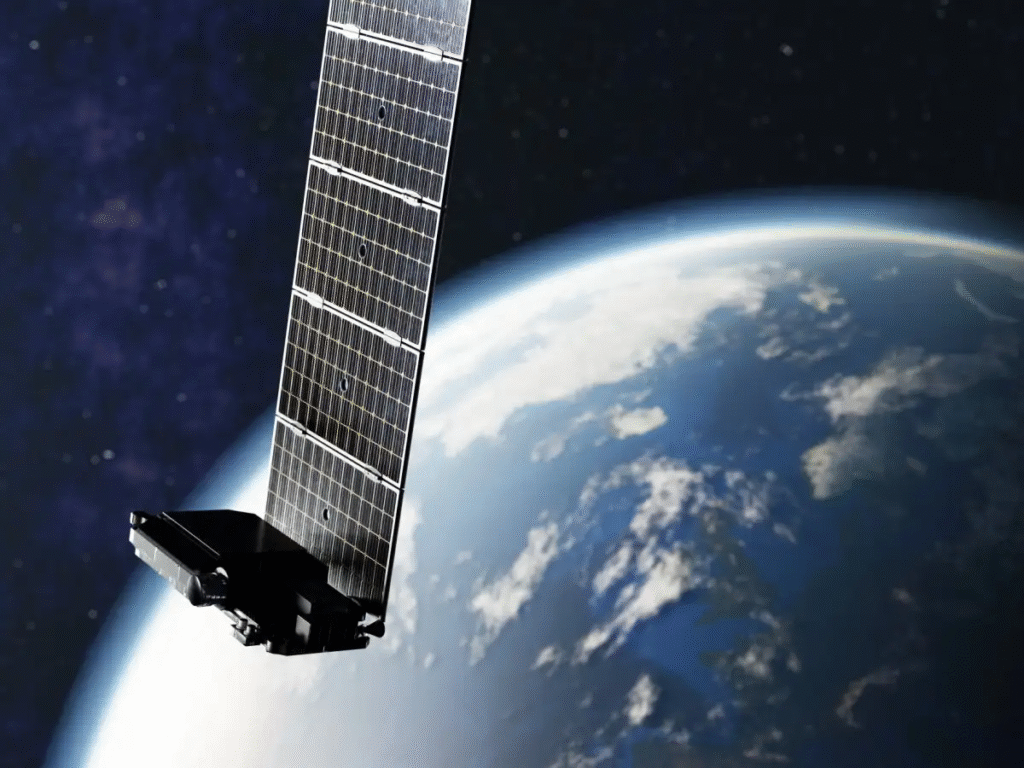
As of 2025, SpaceX’s Starlink constellation continues to dominate low Earth orbit (LEO), providing high-speed internet to millions of users worldwide. But just how many Starlink satellites are currently in space, and what does this mean for the future of global connectivity?
Current Starlink Satellite Count in 2025
As of July 2025, SpaceX has deployed approximately 5,800 to 6,200 operational Starlink satellites in orbit. This number fluctuates due to:
-
New launches (SpaceX regularly sends batches of 20-22 satellites per Falcon 9 mission).
-
Satellite deorbiting (older models are intentionally brought down to reduce space debris).
-
Failures or collisions (a small percentage of satellites malfunction or are lost).
SpaceX has approval from the FCC (Federal Communications Commission) to launch up to 12,000 satellites under its first-generation (Gen1) Starlink network, with plans for a second-generation (Gen2) constellation that could expand to 30,000 or more satellites in the coming years.
Recent Launch Trends (2024-2025)
-
Monthly launches: SpaceX has maintained a rapid launch cadence, averaging 3-4 Starlink missions per month.
-
Improved satellite design: Newer Starlink satellites (V2 Mini and upcoming V3) feature higher bandwidth, laser interlinks, and better maneuverability.
-
Global coverage expansion: SpaceX now provides near-global coverage, including polar regions.
Impact of Starlink’s Growth
1. Internet Accessibility
Starlink has bridged the digital divide, offering high-speed internet to remote and underserved areas. Countries with limited infrastructure, such as parts of Africa, South America, and rural Asia, now have reliable connectivity.
2. Competition in Satellite Internet
Starlink faces competition from Amazon’s Project Kuiper, OneWeb, and China’s Guowang, but remains the largest player in LEO internet services.
3. Space Debris Concerns
With thousands of satellites in orbit, concerns about collision risks and Kessler Syndrome (a cascade of space debris) persist. SpaceX has implemented automated collision avoidance and deorbiting protocols to mitigate risks.
Future Projections
By the end of 2025, SpaceX could reach 7,000+ operational satellites, with full Gen1 deployment expected by 2027. The Gen2 constellation, once fully approved, could push the total beyond 40,000 satellites in the next decade.
Conclusion
Starlink’s satellite count in 2025 reflects SpaceX’s ambitious vision for global internet coverage. While the rapid expansion brings benefits, it also raises challenges in space traffic management and regulatory oversight. As the constellation grows, the world will be watching how SpaceX balances innovation with sustainability in the space environment.