


Introduction: What is Axurbain?
As urbanization accelerates across the globe, a new concept has quietly emerged at the intersection of architecture, technology, and sustainable living—Axurbain. A fusion of the words “axis,” “urban,” and “sustainability,” Axurbain represents a next-gen approach to city development. More than a buzzword, it’s a model that envisions a smarter, more interconnected urban life that balances technology, community, and ecology.
From smart infrastructure and data-driven governance to green architecture and social inclusivity, Axurbain is transforming how modern cities operate and evolve. But what exactly does this paradigm shift mean for urban dwellers, planners, and policymakers?
Let’s dive into the rise of Axurbain and explore its far-reaching implications for our modern urban ecosystems.
Understanding the Axurbain Model
At its core, Axurbain is built around five key pillars:
-
Smart Technology Integration
Cities leveraging real-time data, IoT sensors, and AI to improve services like traffic control, waste management, public safety, and more. -
Sustainable Urban Planning
Prioritizing green spaces, carbon neutrality, and efficient resource use to reduce environmental impact. -
Mobility Reimagined
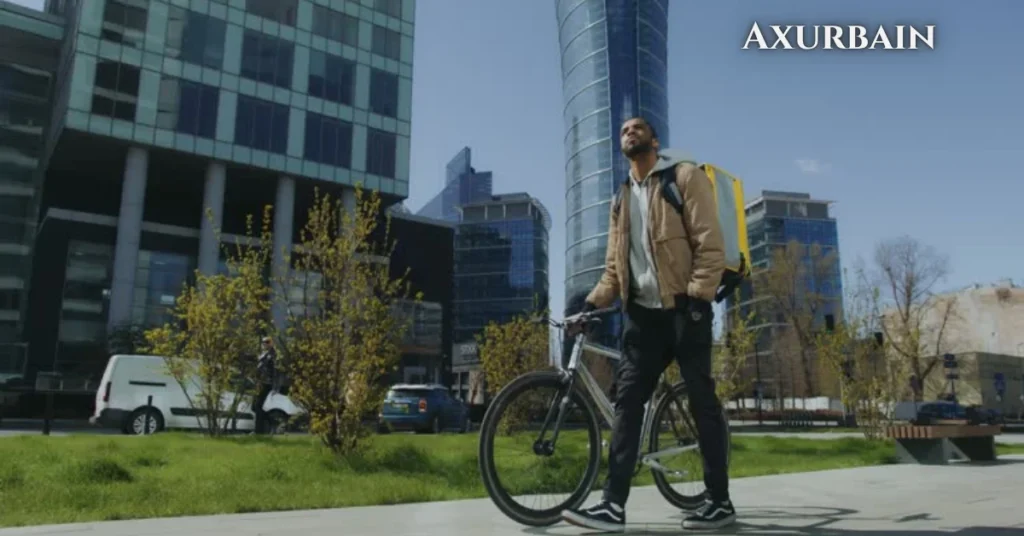
Emphasizing walkability, micro-mobility (e-scooters, bikes), and electrified public transport for reduced congestion and emissions. -
People-Centric Design
Designing spaces that foster community, accessibility, and inclusivity for all demographics. -
Adaptive Architecture
Structures built to withstand climate change, with modular and multifunctional designs that adapt to shifting needs.
Why Cities Are Embracing Axurbain Principles
Modern urban centers are under pressure: growing populations, climate threats, aging infrastructure, and socio-economic divides. Traditional urban models are struggling to cope with these realities. Enter Axurbain—a holistic blueprint that rethinks the urban core as a living, learning, and adapting organism.
Major factors driving Axurbain’s popularity include:
-
Climate Change Awareness: The urgent need for cities to go green and be resilient.
-
Digital Transformation: Governments adopting smart technologies for urban management.
-
Post-Pandemic Shifts: The COVID-19 pandemic reshaped how we work, live, and travel—boosting interest in decentralized and healthier urban setups.
-
Citizen Demand: Younger, eco-conscious populations are demanding smarter, greener, and more connected places to live.
Real-World Applications of Axurbain
Several global cities are beginning to embody Axurbain elements, even if they don’t call it by name.
-
Barcelona’s Superblocks: Redesigning streets to limit car access and prioritize pedestrians, green zones, and local activity.
-
Singapore’s Smart Nation Vision: Integrating AI, sensors, and predictive analytics in everything from transport to eldercare.
-
Amsterdam’s Circular Economy Initiatives: Creating closed-loop systems in energy, waste, and water use.
-
Toronto’s Quayside Project (initial attempt by Sidewalk Labs): Though ultimately canceled, it sparked conversations around smart city ethics and data privacy.
These examples illustrate the global appetite for Axurbain-like frameworks, offering glimpses into a future where urban life is not just sustainable, but also dynamic, inclusive, and resilient.
Benefits of the Axurbain Approach
✔ Efficiency & Cost Savings: Automated systems and predictive analytics reduce wastage and operational costs.
✔ Healthier Living: More green spaces, cleaner air, and walkable neighborhoods boost public well-being.
✔ Resilience: Adaptive infrastructure withstands natural disasters and public health crises.
✔ Economic Growth: Smart cities attract innovation, investment, and high-skilled talent.
✔ Social Inclusion: Design thinking ensures accessibility and equity for all citizens.
Challenges on the Horizon
While the promise of Axurbain is inspiring, implementation isn’t without hurdles:
-
Digital Divide: Not all residents have equal access to technology.
-
Privacy Concerns: Use of sensors and data can raise ethical and surveillance-related questions.
-
Cost & Investment: Upfront capital for smart infrastructure can be daunting for developing cities.
-
Policy & Governance: Coordinating across public and private sectors requires agile, transparent leadership.
These concerns emphasize the need for thoughtful, inclusive planning when adopting Axurbain frameworks.
The Future Outlook: Axurbain 2.0
As technologies evolve—AI, 5G, quantum computing, climate tech—Axurbain will move beyond smart cities toward sentient cities: environments that don’t just respond, but anticipate and learn.
Expectations for the future include:
-
Hyper-personalized public services
-
Drone-based delivery and surveillance systems
-
Self-healing roads and buildings
-
Community-driven data ownership platforms
-
AI-assisted policymaking for real-time urban governance
The possibilities are vast, and cities that lean into Axurbain will be better prepared for the challenges of tomorrow.
Final Thoughts
The rise of Axurbain marks a pivotal shift in how we envision and construct urban life. It’s not just about shiny tech or modern design—it’s about creating cities that think, breathe, and evolve with us. As governments, businesses, and citizens align on smarter, greener urban values, the Axurbain model provides a roadmap for sustainable progress.
Whether you’re a city planner, real estate developer, entrepreneur, or simply a city dweller, understanding the Axurbain movement is essential to shaping the urban future we all deserve.
Frequently Asked Questions (FAQs)
Q1: Is Axurbain a real city?
No, Axurbain is a conceptual model or framework, not a physical location. It describes a futuristic urban design philosophy.
Q2: What makes a city Axurbain-ready?
A city that invests in smart infrastructure, promotes sustainability, and engages its citizens in co-creation is on the Axurbain path.
Q3: Is Axurbain only for large metropolitan areas?
Not at all. Even small towns and mid-sized cities can adopt Axurbain principles to improve quality of life and resilience.
Q4: How can citizens participate in the Axurbain movement?
By supporting smart policies, engaging in local planning discussions, and adopting eco-friendly and digital habits.
Q5: What industries benefit most from Axurbain development?
Technology, green construction, mobility, renewable energy, telecommunications, and data analytics all thrive in an Axurbain ecosystem.